
Norway operates a tax-funded public healthcare system with modern hospitals, trained medical professionals, and broad access to essential treatment.
Residents can use general practitioners, specialist care, emergency treatment, maternity care, child health services, and many prescription benefits through the public system.
New arrivals may still face a delay before full access becomes available. Eligibility usually depends on legal residence, official registration, and receipt of a Norwegian personal identification number. Administrative processing can take weeks or, in some cases, months.
During that period, an expat who needs care may have to book a private appointment and pay the full cost.
Proper planning before relocation can prevent a short-term illness, prescription issue, or dental emergency turning into a costly problem.
Prepare for the Healthcare Access Gap
Public healthcare becomes much easier to use after residence registration and identification paperwork are complete.
A permanent Norwegian personal number is especially important because it is normally required before a resident can receive a regular family doctor.
Until that number is issued, access to routine public care may be limited. Newcomers can still obtain urgent help, but non-urgent treatment may require private payment.
A private clinic consultation can be expensive, especially when laboratory work, scans, specialist input, or follow-up visits are needed.
Short-term residents, recently arrived workers, students, and family members waiting for registration should plan for this gap before travel.
Useful preparations include temporary insurance, savings for private treatment, and contact details for a nearby private clinic.
Registration should begin as soon as local rules allow. Delays in submitting residence documents, address details, or identification paperwork can extend the period without normal access.
Get Temporary Health Insurance
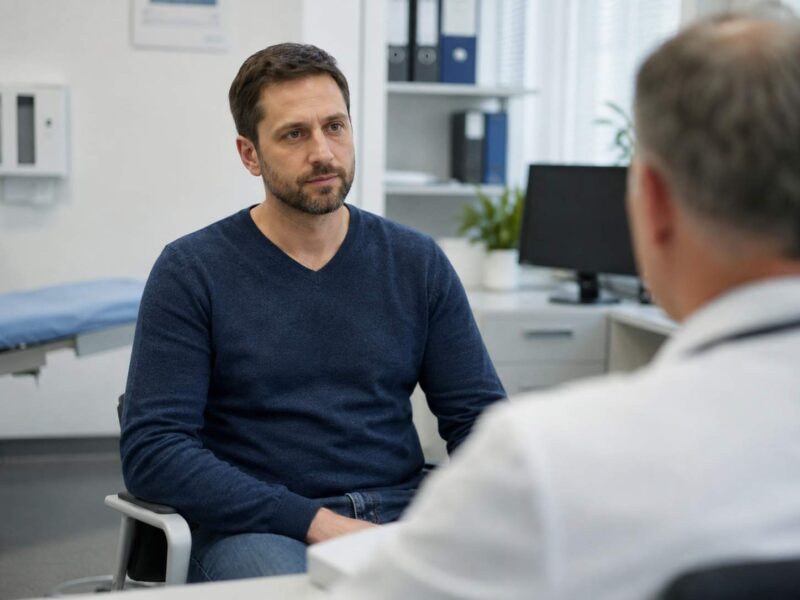
Temporary health insurance should begin on the day of arrival.
Waiting until registration is complete creates unnecessary financial risk during the first weeks in Norway.
Coverage may come through an employer, an international insurer, a Norwegian private insurer, or a combination of temporary coverage and later public enrollment.
Employer-sponsored plans can be especially useful, but employees should not assume that a policy automatically includes spouses, partners, or children.
Private healthcare often provides quicker appointments, faster specialist access, and more choice of provider. Costs are usually higher than public user fees, so policy limits, deductibles, exclusions, and reimbursement rules need close review.
For expats who compare healthcare systems before relocating, it can also help to understand how different countries rank as destinations for medical treatment, especially when weighing private care, specialist access, and expected costs.
| A suitable policy should cover |
|---|
| General doctor appointments |
| Specialist consultations |
| Diagnostic tests and imaging |
| Hospital treatment |
| Prescription medication |
| Mental healthcare |
| Maternity care |
| Emergency dental treatment |
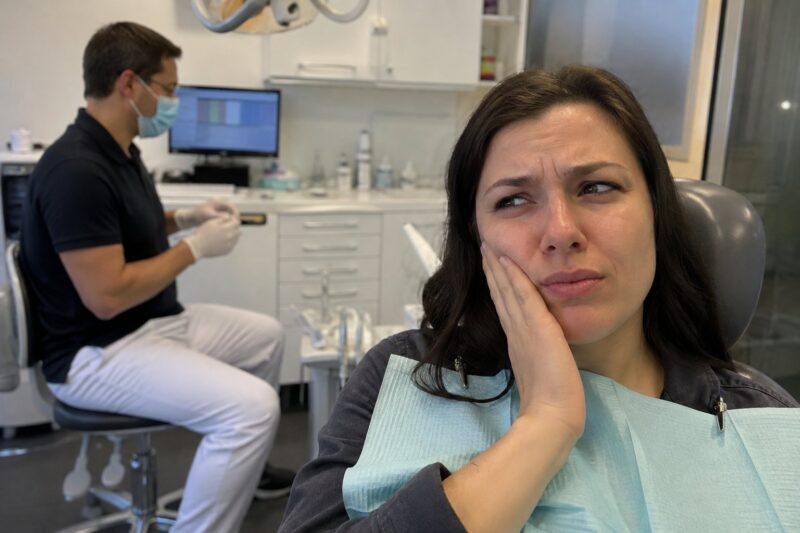
Expats planning to live in Oslo should also identify a local dental provider, such as Tannlege Team Oslo, in case routine or urgent treatment is needed before public registration is complete.
Questions for an employer should include who is covered, when protection begins, which clinics are approved, and how claims are submitted.
Written confirmation is preferable because verbal descriptions may omit limits or exclusions.
Register for a Fastlege
A fastlege is a regular family doctor who handles routine consultations, diagnoses, treatment, preventive care, and ongoing medical follow-up.
Medical history is usually managed through this doctor, which helps create continuity when a patient has a long-term condition or needs repeated care.
Specialist access often starts with a fastlege referral.
Dermatology, cardiology, neurology, pediatrics, and many other specialties commonly require referral before a public appointment can be arranged.
Application should begin as soon as registration status and the personal identification number make it possible.
Waiting can make it harder to secure a preferred clinic or doctor, especially in areas with limited availability.
Even after assignment, non-urgent public treatment may involve waiting lists. Expats who need faster care can sometimes use a private specialist, but direct booking rules and insurance coverage should be checked in advance.
Keeping a record of symptoms, previous treatment, medication, and test results can make the first fastlege appointment more efficient.
Translated medical documents can also reduce confusion and repeated testing.
Understand Sick-Leave Rules
Limited access to a regular doctor can affect more than treatment.
Employees may also need medical documentation to justify absence at work.
Norway uses egenmelding, a trust-based system that can allow employees to report a short illness without obtaining an immediate doctor’s certificate.
Exact conditions can depend on employer policy, length of employment, and workplace agreements.
- When a doctor’s certificate becomes mandatory
- How many self-certified sick days are allowed
- If a private doctor can issue acceptable documentation
- If private consultation fees are reimbursed
- Which procedure applies while fastlege registration is pending
Employees should also ask how quickly documentation must be submitted and who should receive it.
Missing a deadline can create payroll or attendance problems even when the illness is genuine.
Budget for Dental Care

Ordinary adult dental care is not generally covered in the same way as medical treatment.
Public support may apply in certain situations, but many adults pay most routine and major dental costs themselves.
Crowns, implants, root canal treatment, orthodontics, and emergency procedures can create large out-of-pocket expenses.
Private insurance may offer some protection, although annual limits, waiting periods, and excluded procedures can reduce its value.
A dental check-up before relocation can identify problems early.
Unfinished major treatment should also be completed before the move when practical, especially when continuity with the current dentist would reduce risk or cost.
| Bring useful dental documentation, including |
|---|
| Recent X-rays |
| Implant details |
| Orthodontic records |
| Treatment plans |
| Information about crowns, bridges, or previous surgery |
A separate dental budget is sensible even for people with private insurance. Routine cleanings, small fillings, and urgent visits can still involve direct payment.
Bring Medical Records and Prescriptions
Medical records should be organized before travel.
Paper copies are useful during the registration period because digital access may not be available immediately.
- Medical history
- Vaccination records
- Specialist reports
- Dental records
- Current prescriptions
Medication lists should include generic names as well as brand names. Product names can differ between countries, while generic names help Norwegian doctors and pharmacists identify the active ingredient.
Regular medication should be checked before departure to confirm that it is legal, available, and prescribed under similar rules in Norway.
Some controlled medicines may require special documentation or may be subject to tighter import limits.
One practical approach is to bring up to a three-month supply together with a doctor’s letter. Permitted quantities depend on the medicine and current import rules, so official requirements need verification before travel.
A Norwegian appointment for prescription renewal should be arranged well before the existing supply runs out.
Extra time may be needed for medical review, record checks, or a replacement medicine if the original product is unavailable.

Know Where to Get Help
Routine and non-urgent problems should normally be handled by a fastlege during regular opening hours.
New arrivals without an assigned doctor may need to contact a private clinic or ask local health authorities about available options.
Call 116 117 for the local out-of-hours medical service when care cannot wait until the next normal appointment but the situation is not life-threatening.
Staff can assess symptoms and direct the patient to suitable care.
Call 113 for serious or life-threatening medical emergencies. Examples include severe breathing difficulty, suspected stroke, major injury, loss of consciousness, or intense chest pain.
| Save contact details for |
|---|
| Nearest pharmacy |
| Nearest private clinic |
| Insurance provider |
| Employer’s HR department |
| Local out-of-hours service |
Ambulance emergencies use 113, not 112. Number 112 connects callers to police emergency services.
Set Up Digital Healthcare Access

Norway relies heavily on digital administration for healthcare.
Helsenorge allows eligible users to manage appointments, prescriptions, messages, and access to personal health information.
Full use may depend on completed registration and an accepted electronic identification method.
New arrivals can face a temporary period in which online functions are limited or unavailable.
Printed and digital copies of important records should be kept during that period. Secure cloud storage can help, but sensitive documents should be protected with strong passwords and two-factor authentication.
Registration tasks should begin promptly after arrival.
Early action can shorten delays related to prescriptions, doctor assignment, healthcare messages, and access to personal records.
@allianzcare Digital access to healthcare is transforming how individuals manage their health, interact with providers and access vital services. From remote consultations and electronic health records to wearable devices and health apps, the digital landscape offers unprecedented opportunities to improve health outcomes, enhance patient experience and streamline healthcare delivery. Our cross-generational contributors had a lot to say about Digital Health, from their personal use of wearable devices, whether their data should be shared with various stakeholders, and how access to healthcare has increased because of technology. View the full episode here: https://www.allianzcare.com/en/about-us/news/allianz-partners-report-highlights-critical-gap-in-awareness-around-chronic-diseases.html #AllianzPartners #GenerationalHealth #Sustainability #LivingWell #MentalHealth #DigitalHealth ♬ original sound – Allianz, Global Health
Extra Planning for Families
Families often have more medical details to organize before relocation.
Public services can include maternity care, pediatric treatment, vaccinations, routine child check-ups, and school health support.
Expectant mothers can generally use prenatal, childbirth, and postnatal care once eligible.
Private policies may have maternity waiting periods, benefit caps, or exclusions for an existing pregnancy, so policy wording should be reviewed carefully.
Children’s vaccination records and medical history should be transferred before the move.
Clear records help local doctors confirm which doses have already been given and which follow-up appointments are needed.
Mental healthcare can include counseling, therapy, psychiatric treatment, and support programs.
Access levels and waiting times can vary, especially for non-urgent care.
- Distance to the nearest clinic
- Travel time to a hospital
- Availability of pediatric care
- Access to maternity services
- Specialist referral routes
- Public transport options for medical visits
Such planning is especially important for children with ongoing treatment, pregnant family members, and anyone who needs regular specialist care.
Closing Thoughts
Whether you’re freelancing or working regularly, Norway offers high-quality public healthcare, but new residents may not gain full access immediately.
Temporary insurance, prompt registration, a private-care backup plan, early fastlege enrollment, prescription continuity, and a realistic dental budget can reduce stress during the first months.
Preparation should begin before travel and continue as soon as residence paperwork can be submitted.
A small amount of planning can prevent gaps in treatment, avoid unexpected costs, and make the move much easier for individuals and families.