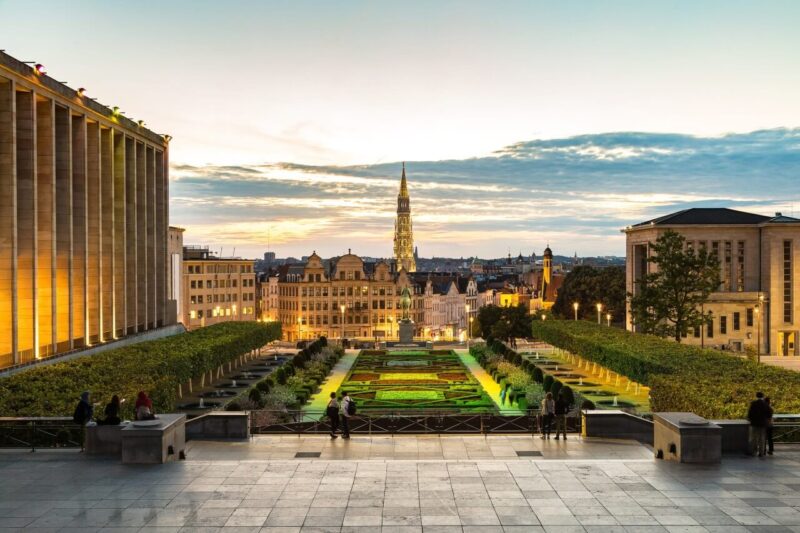
Brussels is easy to underestimate on a map. Its celebrated central square sits within a compact network of narrow streets, yet the city’s appeal stretches well beyond the historic centre, into neighbourhoods filled with independent shops, Art Nouveau architecture and lively café terraces.
Two to three days is the ideal amount of time in Brussels for most first-time visitors. Two full days are enough to explore the major landmarks, visit a museum and discover several distinctive neighbourhoods. A third day gives you room for the Atomium, additional cultural attractions, or a more relaxed experience.
Choosing the right accommodation matters just as much. Staying near Grand-Place or Sainte-Catherine makes exploring considerably easier, particularly during a short city break.
How Many Days Should You Spend in Brussels?
The best length of stay depends on your interests and how much time you want to spend exploring beyond the main attractions.
| Length of Stay | What You Can Realistically Experience |
| 1 day | Grand-Place, Manneken Pis, Royal Saint-Hubert Galleries and the historic centre |
| 2 days | Main landmarks, Sablon, Marolles, a museum and local neighbourhoods |
| 3 days | A fuller city experience, including the Atomium, museums and less touristy districts |
| 4–5 days | Brussels at a relaxed pace, with time for day trips to Ghent, Bruges or Antwerp |
For most travellers, three days offers the best balance. La Bourse Hotel is a practical choice for a central base in the old town, particularly when you want to spend most of your two or three days exploring Brussels on foot.
You can spend two days exploring central Brussels and dedicate the third to attractions farther away or neighbourhoods that deserve a little wandering.
Travellers visiting several Belgian cities can comfortably give Brussels two days and use the remaining time elsewhere.
Is One Day Enough to See Brussels?
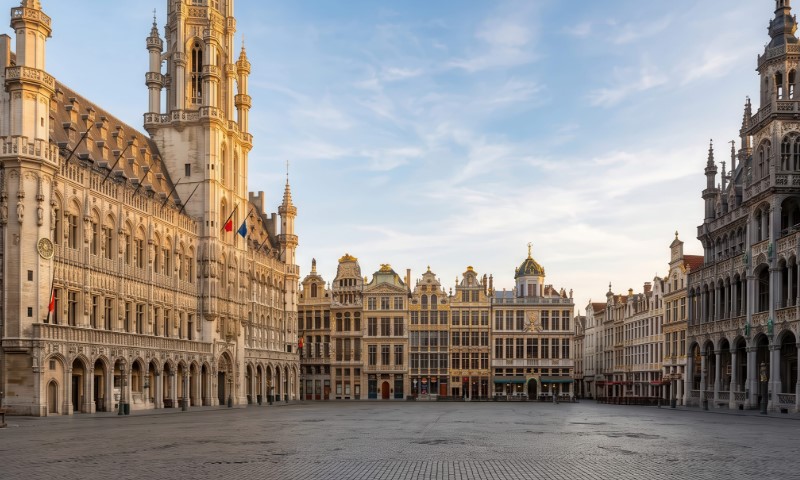
One day in Brussels is enough to appreciate the historic centre, especially if you’re arriving by train from another Belgian city.
Start at Grand-Place, the city’s architectural showpiece and a UNESCO World Heritage Site since 1998. Much of its remarkable appearance dates from the rebuilding that followed the French bombardment of 1695.
From there, walk through the Royal Saint-Hubert Galleries, visit the famous Manneken Pis statue and continue towards Mont des Arts for views over central Brussels.
Allow time for a proper Belgian lunch and a stop at a chocolate shop. With only one day available, the historic centre deserves your attention, while the Atomium can wait for a longer visit.
Two Days in Brussels: The Ideal Weekend Itinerary
Two days give you enough time to explore Brussels without constantly checking your watch.
Spend your first day around Grand-Place, the Royal Saint-Hubert Galleries and the Mont des Arts area. In the evening, head towards Sainte-Catherine for dinner, followed by a Belgian beer at a neighbourhood bar.
The second day is ideal for exploring Sablon and Marolles.
Sablon has attractive historic streets, chocolate shops and antique dealers. Nearby Marolles offers a noticeably different atmosphere, centred on vintage shops and the famous flea market at Place du Jeu de Balle.
For an afternoon indoors, consider the Magritte Museum, home to an extensive collection devoted to Belgian surrealist René Magritte. Remember that the museum is closed on Mondays.
Two days also leave enough room to discover Brussels’ food culture at a comfortable pace. Ordering shrimp croquettes at lunch or lingering over coffee becomes part of the experience.
What Can You Do With Three Days in Brussels?
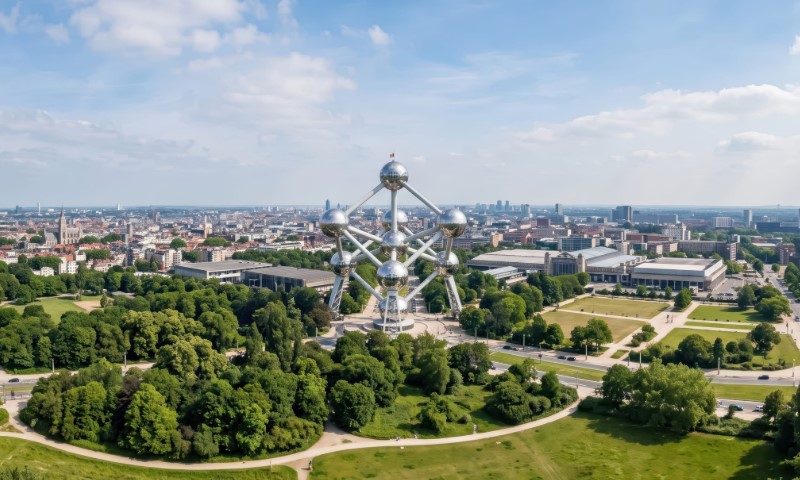
A third day opens up attractions located beyond the historic centre.
The most obvious choice is the Atomium, Brussels’ unusual steel landmark constructed for the 1958 World’s Fair. Located in Heysel, northwest of the centre, it is easily reached by metro.
According to the Atomium’s official directions, the metro journey from De Brouckère takes approximately 15 minutes, including a change at Beekkant. Allow additional time for walking and your visit.
Alternatively, spend your third day exploring Ixelles, especially Place Flagey and the surrounding streets. The area has independent cafés, neighbourhood restaurants and appealing architecture.
Saint-Gilles offers another enjoyable option, with Art Nouveau buildings and a lively local atmosphere.
Three days make it possible to experience different sides of Brussels while leaving room for spontaneous discoveries.
Where Should You Stay in Brussels?
For a first visit, choosing accommodation within or close to the historic centre is generally the most practical decision. However, several nearby neighbourhoods offer different advantages.
Grand-Place and the Historic Centre: Best for First-Time Visitors
Staying near Grand-Place puts you within walking distance of the city’s most famous landmarks.
Restaurants, shopping streets and Brussels-Central railway station are all conveniently accessible. The area is especially useful for travellers spending one or two nights in the city.
The trade-off is the busy atmosphere. Streets immediately around Grand-Place can remain lively late into the evening, so checking the hotel’s exact location is worthwhile.
Sainte-Catherine and Dansaert: Best for Food and Nightlife

Sainte-Catherine is arguably the most appealing alternative to Grand-Place.
The neighbourhood has a strong restaurant scene, attractive squares and plenty of cafés. Nearby Dansaert is particularly well known for independent fashion boutiques and contemporary design.
According to Visit Brussels’ neighbourhood guide, Sainte-Catherine’s seafood traditions reflect its history as the city’s former fish market and port area.
The historic centre remains within easy walking distance, making the neighbourhood an excellent base for a weekend.
Sablon: Best for Couples and a Quieter Stay
Sablon feels noticeably more refined, with elegant streets, galleries and chocolate boutiques surrounding its historic square.
The neighbourhood is well positioned for exploring central Brussels, particularly the Royal Quarter and Mont des Arts.
Its proximity to the Marolles district also provides easy access to vintage shopping and local markets. The official tourism guide highlights the contrasting atmospheres of the neighbouring districts.
Sablon is a particularly attractive choice for couples planning a relaxed city break.
Ixelles and Saint-Gilles: Best for Longer Stays
Travellers spending four or five days in Brussels should consider Ixelles or Saint-Gilles.
Both areas offer a stronger residential atmosphere, independent restaurants and opportunities to explore Brussels beyond its tourist landmarks.
Ixelles is especially appealing around Place Flagey, while Saint-Gilles has beautiful historic architecture and neighbourhood cafés.
You’ll generally rely more on public transport to reach Grand-Place, although the extra journey is worthwhile for visitors interested in everyday Brussels life.
Is Brussels a Good Base for Exploring Belgium?
View this post on Instagram
Brussels makes an excellent base for day trips thanks to Belgium’s extensive railway network.
The Belgian national railway operator, SNCB/NMBS, lists minimum direct journey times of approximately 35 minutes to Ghent, 61 minutes to Bruges and 41 minutes to Antwerp. Actual journeys vary by service.
For visitors planning several excursions, accommodation near Brussels-Central station is especially convenient.
Brussels-Midi is another practical option for international rail connections, although the surrounding station area has less tourist appeal than the historic centre.
If your Belgian holiday lasts four or five days, spending two days in Brussels and using the remaining days for excursions is a sensible arrangement.
Practical Advice for Planning Your Stay
Brussels has a useful public transport network, although much of the historic centre is walkable.
The STIB-MIVB contactless system allows passengers to pay directly using a bank card or smartphone. As of 2026, a standard contactless journey costs €2.40, with a daily cap of €8.50 when using the same payment method.
Arriving by air is straightforward when flying into Brussels Airport at Zaventem. The airport’s official transport information puts the train journey to Brussels-Central at approximately 18 minutes. Brussels South Charleroi Airport is considerably farther from the city, so allow additional transfer time.
One final consideration is the difference between calendar days and full sightseeing days. Arriving late on Friday and departing early on Sunday provides roughly one full day of exploration, despite spending two nights in Brussels.
Final Thoughts
Two full days are enough for a rewarding introduction to Brussels, while three days provide a more complete experience.
For shorter visits, Grand-Place and Sainte-Catherine are the most convenient accommodation choices. Sablon suits a quieter getaway, while Ixelles and Saint-Gilles become increasingly appealing during longer stays.
Brussels rewards travellers who leave a little space in their itinerary. Some of the most enjoyable moments happen between the famous landmarks, perhaps in a small neighbourhood café or along a street you hadn’t planned to explore.